Discover the famous mosaics inside Hagia Sophia, learn their history, meaning, and why they remain among the most important works of Byzantine art.
Quick answer
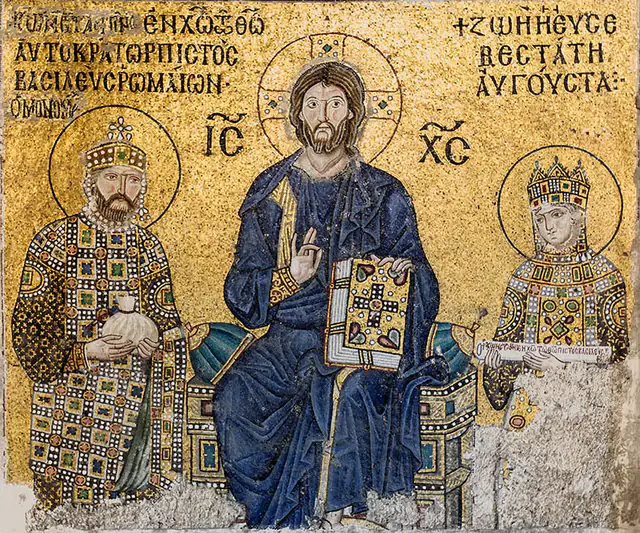
The Hagia Sophia mosaics are Byzantine artworks made from tiny pieces of glass, stone and gold. Important examples include the Virgin Mary Mosaic, Deesis Mosaic and imperial mosaics in the gallery.
What Are The Hagia Sophia Mosaics?
Mosaics are artworks made from thousands of small pieces of colored glass, stone, ceramic and gold. Inside Hagia Sophia, many mosaics show Christian figures, emperors, saints and biblical themes.
Their gold backgrounds reflect light, which is why they can appear luminous even centuries later.
Why Are The Mosaics Famous?
They are famous because they represent some of the finest surviving Byzantine art in the world.
They also reveal how religion, politics and imperial identity worked together in Constantinople.
Were The Mosaics Covered?
Yes. After Hagia Sophia became a mosque in 1453, many Christian images were covered. In many cases they were preserved beneath plaster rather than destroyed.
This is one reason several mosaics survived long enough to be uncovered during later restoration periods.
The Virgin Mary Mosaic
Located above the apse, this mosaic shows the Virgin Mary holding the infant Jesus.
It is one of the most recognizable works inside Hagia Sophia and is important for understanding the building's Christian past.
The Deesis Mosaic
The Deesis Mosaic is often considered one of Hagia Sophia's masterpieces. It depicts Christ, the Virgin Mary and John the Baptist.
Its emotional realism makes it especially important in the history of Byzantine art.
Imperial And Comnenus Mosaics
Several mosaics show Byzantine emperors and empresses, including figures such as Emperor Leo VI and the Comnenus family.
These works are not only religious; they also show how imperial power was represented through sacred imagery.
Christian Mosaics And Islamic Calligraphy Together
One of Hagia Sophia's most unusual features is the presence of Christian mosaics and Islamic calligraphy in the same monumental space.
This visual contrast is one of the strongest examples of Istanbul's layered cultural history.
What Mosaics Should Visitors Not Miss?
Prioritize the Virgin Mary Mosaic, the Deesis Mosaic, imperial mosaics and gallery mosaics if your time is limited.
Use the Upper Gallery and look carefully above eye level; many important details are easy to miss.
Local Tips From Istanbul
- Visit early in the morning if this topic matters to your experience.
- Look up often; many of Hagia Sophia's most important details are above eye level.
- Use the Upper Gallery for better context, photos and architectural perspective.
- Book with enough time around prayer periods and Sultanahmet crowds.
FAQ
Are Hagia Sophia mosaics original?
Many surviving mosaics are original Byzantine works dating back hundreds of years.
Why were the mosaics covered?
They were covered after Hagia Sophia became a mosque, but many were preserved rather than destroyed.
Can visitors still see the mosaics?
Yes. Several major mosaics remain visible.
Which mosaic is the most famous?
The Deesis Mosaic is often considered one of the most important.
Are the mosaics Christian?
Most surviving mosaics depict Christian figures and scenes.
Final Thoughts
Hagia Sophia is not just one attraction or one historical label. It is a layered landmark where Byzantine, Ottoman, Christian, Islamic and modern Istanbul stories meet under the same dome.
Hagia Sophia Ticket & Visitor Guide
Skip the ticket-office line · AR experience · audio commentary in 23 languages · from €28.00